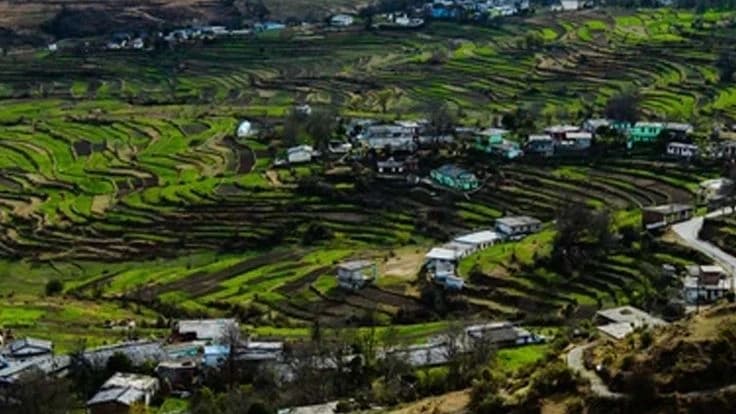
CHAMPAWAT
About this attraction
The ancient capital of Kumaon and the site of Corbett's most consequential hunt. The Champawat Tigress had killed an estimated 436 people across Nepal and India — the highest recorded toll of any wild animal in history. Corbett arrived in 1907. With the local Tehsildar and 300 villagers staging a massive beat, he tracked her to a river gorge. A marker stone near the Champawat tea gardens still traces his steps. This hunt marked the beginning of a life devoted to protecting both villagers and the animals that threatened them.
Frequently asked questions
What is Champawat?
Champawat is a town of historical and mythological significance nestled in the eastern part of Uttarakhand. It is an ancient town with a rich cultural heritage tracing back to the Chand rulers, who had their capital here. Champawat is surrounded by lush green forests and offers picturesque views of the Himalayas, and is well known for its temples, the most famous being the Baleshwar Temple dedicated to Lord Shiva.
What is the historical significance of Champawat?
Champawat is where Jim Corbett shot his first man-eater in 1907 — the Champawat Tigress, a female Bengal tiger responsible for an estimated 436 deaths in Nepal and the Kumaon division of India, making her the deadliest man-eating tiger in recorded history.
What is the altitude and location?
Champawat sits at an elevation of 1,670 metres above sea level and is one of the easternmost towns of Uttarakhand
Plan Your Visit
Have a question?
Contact usChampawat
Plan your visit