Jim Corbett Through the Years: From a Wildlife Lover’s Paradise to a Thriving Resort Destination
1. The Corbett I First Knew: A Destination Defined by the Wild
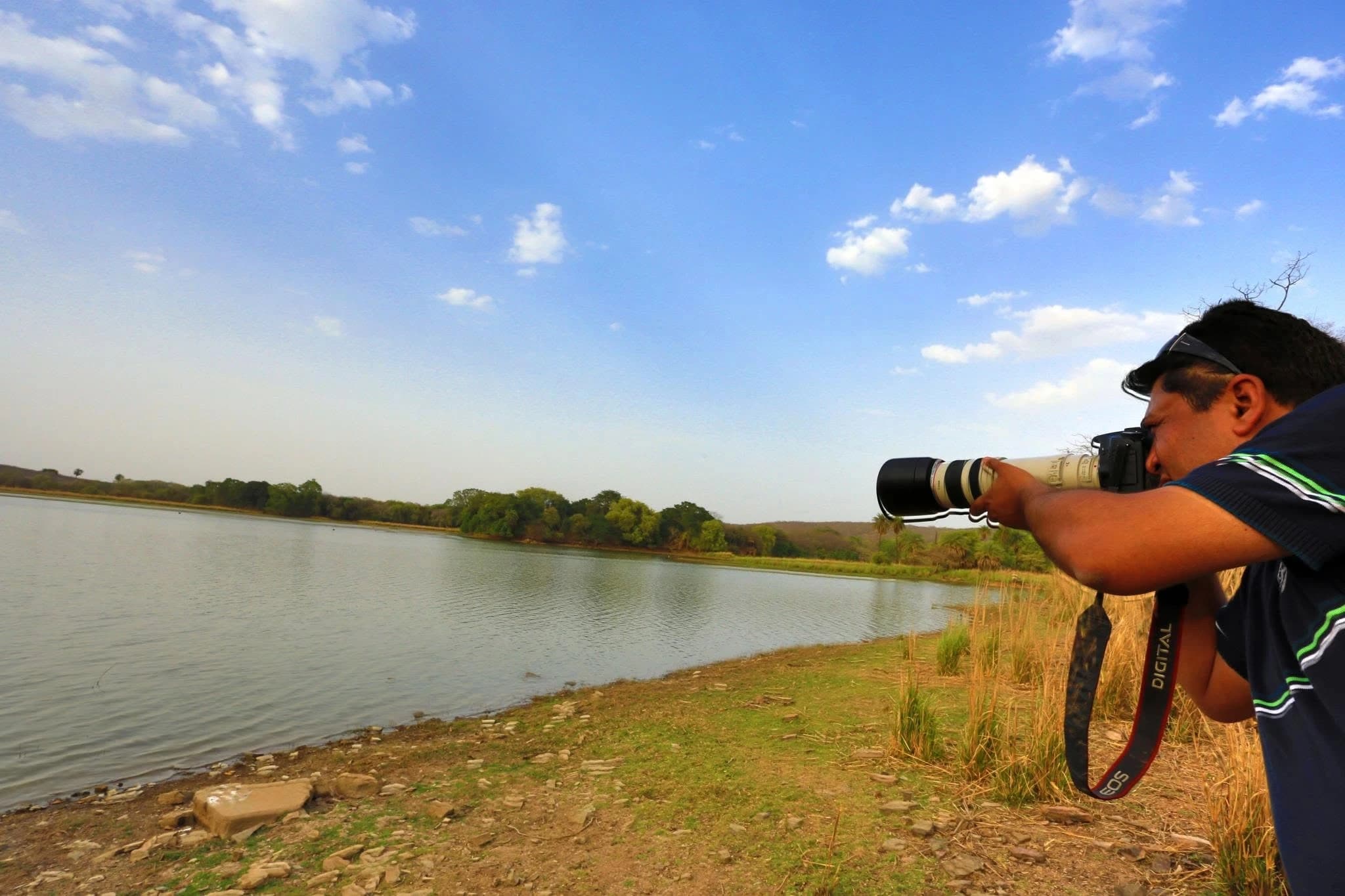
My association with Jim Corbett National Park and Ramnagar goes back to 2005, when travelling to this part of Uttarakhand was primarily about one thing: experiencing the wilderness. In those days, Corbett had a distinctive charm that attracted wildlife enthusiasts, nature lovers, photographers and travellers seeking an escape from the hurried pace of city life. The excitement of an early-morning jungle safari, the anticipation of spotting a tiger, the calls of birds in the forest and the serenity of the Kosi River defined the experience. Ramnagar was the gateway to the forest, a town whose identity was closely connected to the national park and the surrounding villages. Accommodation options were available across different budgets, but the destination’s reputation rested largely on its wildlife, forest landscapes and proximity to nature. For travellers from Delhi and neighbouring cities, Corbett offered an opportunity to disconnect from urban routines and experience a world governed by the rhythms of the jungle. A safari was never simply a drive through the forest; it was an exercise in patience, observation and anticipation. A tiger sighting was never guaranteed, and that uncertainty was part of the magic. Over the years, as I returned to Corbett, I witnessed a destination gradually evolving without entirely losing the essence that made it special. Connectivity improved, tourism infrastructure expanded and accommodation choices multiplied. Yet, for those of us who remember Corbett from the mid-2000s, there remains a certain nostalgia attached to the early-morning journey towards the forest gates, the crisp air and the anticipation of what the jungle might reveal. Nearly two decades later, these experiences continue to form the emotional foundation of Corbett’s appeal, even as the destination has grown into something much larger than a wildlife getaway.
2. From Jungle Lodges to Branded Hospitality: The Rise of a New Corbett
As the years passed, Corbett began attracting a wider and more diverse audience. What was once predominantly a wildlife-oriented destination gradually developed into a preferred weekend getaway, family holiday location, wedding venue and corporate retreat. The hospitality industry responded to this growing demand with a remarkable transformation. Independent resorts, boutique properties, luxury retreats and nationally recognised hospitality brands established their presence in and around Ramnagar. Today, the drive towards Corbett reveals a hospitality landscape far more diverse than the one I remember from 2005. Visitors can choose from nature-inspired retreats, premium resorts with swimming pools and landscaped lawns, wellness-focused properties and hotels equipped to host weddings, conferences and social celebrations. This evolution reflects a broader shift in Indian domestic tourism, where travellers increasingly seek experiences rather than merely accommodation. A family may plan its holiday around a safari while also looking forward to swimming, outdoor activities and quality time together. Couples may choose Corbett for a romantic escape, while corporate groups combine meetings with recreation in a natural setting. Weddings and celebrations have created another important market, generating opportunities for hotels, transport operators, food suppliers and local businesses. The arrival of branded hospitality has strengthened the destination’s visibility and broadened its appeal among travellers accustomed to premium hotel experiences in metropolitan cities. However, growth brings responsibility. Increased construction, resource consumption and visitor traffic can place pressure on the very environment that makes Corbett attractive. Sustainable development, responsible water use, reduced plastic consumption, respect for wildlife habitats and meaningful engagement with local communities must remain central to the destination’s future. The true measure of Corbett’s progress will not simply be the number of resorts that open their doors, but how successfully tourism can grow while preserving the natural environment that gives the region its identity.
3. October: The Month That Reawakens Ramnagar’s Tourism Economy
For anyone familiar with Corbett, October carries a special significance. Following the monsoon, safari operations resume in the zones that were closed during the rainy season, subject to official schedules and forest department regulations. The reopening marks the return of one of the destination’s most anticipated experiences and signals the beginning of a particularly important period for the local tourism industry. During the monsoon, heavy rainfall, difficult forest-track conditions and safety considerations limit access to several safari areas. Although the forest continues to thrive, the rhythm of tourism changes, and businesses experience a quieter period compared with the main travel season. October brings a palpable shift in atmosphere. Wildlife enthusiasts begin planning their visits, safari bookings gather momentum, travel agents reconnect with clients, and resorts prepare to welcome guests who have been waiting for the forest to reopen. The return of popular safari experiences, including access to zones such as Bijrani when officially operational, generates considerable enthusiasm among regular visitors. The post-monsoon landscape offers its own appeal, with fresh vegetation and a renewed vibrancy across the region. For experienced travellers, a new safari season presents an opportunity to rediscover familiar forests under changing natural conditions. Wildlife sightings remain unpredictable, but the anticipation of entering the jungle is an experience in itself. Beyond the forest gates, the reopening has a wider economic impact. Resort teams prepare for increased arrivals, drivers and safari operators anticipate greater demand, restaurants stock up, and local suppliers see renewed opportunities. Ramnagar gradually regains the energy associated with its busiest tourism months. For hospitality professionals, October is not merely the start of another season; it is a period when months of preparation, marketing and operational planning translate into guest experiences and business opportunities. The excitement is shared by travellers, hotel owners, guides, drivers and the many local families whose livelihoods depend, directly or indirectly, on tourism. In this sense, the reopening of safari zones is both a wildlife event and an economic milestone for the destination.
4. Beyond the Safari: How Corbett Became a Complete Holiday Experience 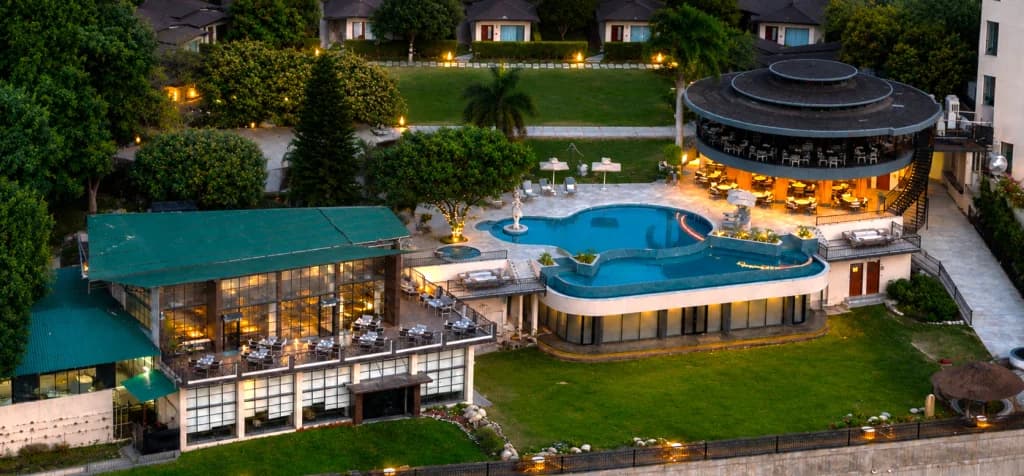
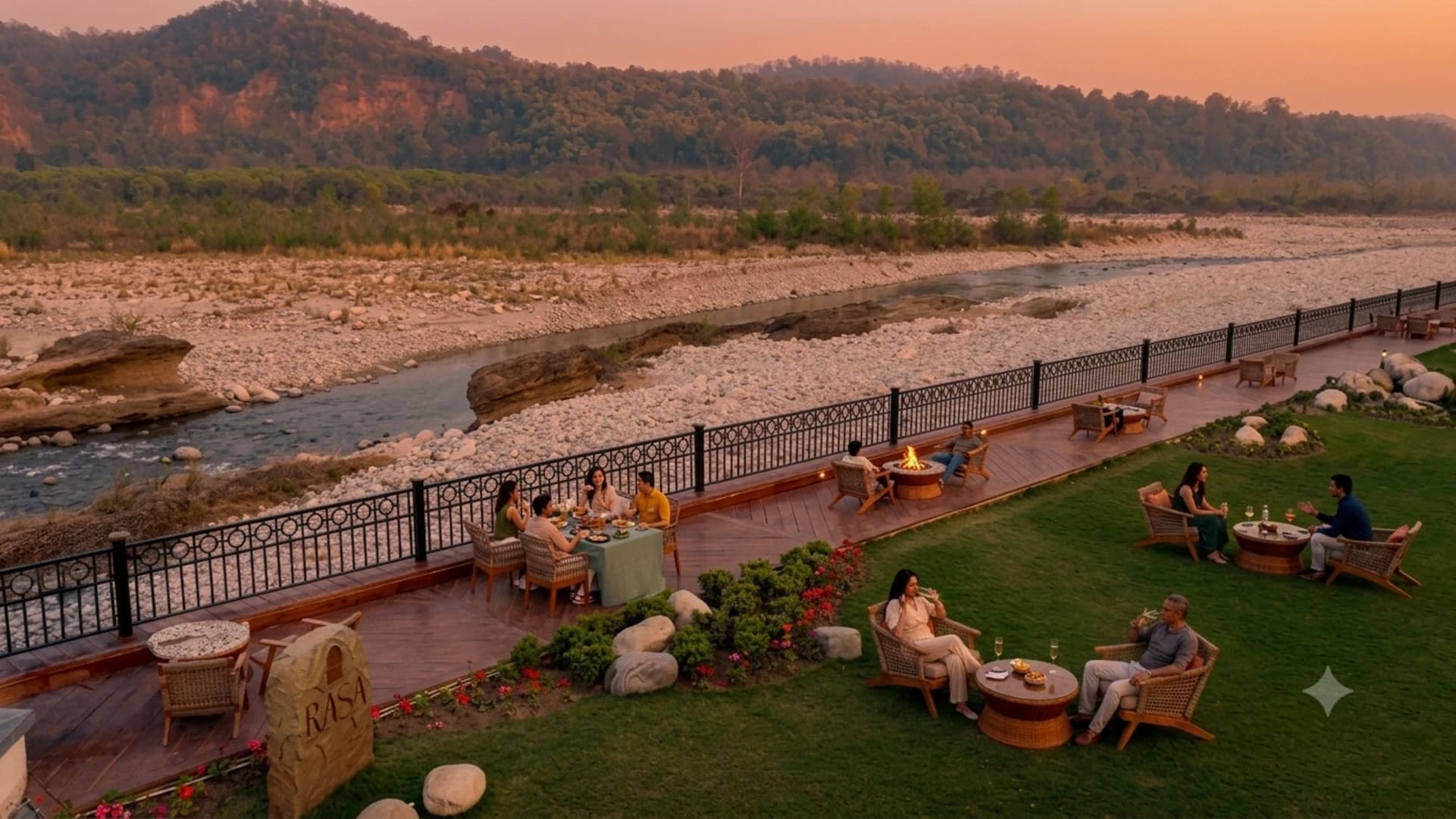
One of the most significant changes I have observed over the years is the way travellers now experience Corbett. The safari remains a central attraction, but the destination is no longer defined by the jungle excursion alone. Modern visitors increasingly look for a complete holiday experience that combines nature, comfortable accommodation, dining, recreation and opportunities to spend time with family and friends. This shift has encouraged resorts to develop a wider range of facilities and experiences, from swimming pools and landscaped lawns to curated dining, outdoor activities and event spaces. Properties such as Manu Maharani Resort, Jim Corbett, reflect this broader evolution towards hospitality experiences that complement the natural appeal of the region. For visitors arriving from Delhi NCR after a long drive, comfortable rooms, attentive service and good food can be as important to the overall holiday as the safari itself. Families may value recreational facilities and activities for children, while couples may look for privacy, scenic surroundings and memorable dining experiences. Corporate groups and wedding parties seek a different combination of accommodation, event facilities and professional service. This diversity has helped Corbett attract visitors who might previously have considered it only for wildlife tourism. It has also encouraged longer or more varied itineraries, with guests combining safari excursions with relaxation at their resort and visits to nearby attractions. However, the destination’s growing popularity makes informed travel planning increasingly important. Safari permits, zone availability and forest access are governed by official regulations, and a premium resort stay cannot guarantee a particular zone or a wildlife sighting. The best hospitality experiences are created when resorts provide accurate information, help guests plan responsibly and set realistic expectations. Luxury, after all, is not measured solely by room size or the number of facilities. It is equally reflected in warm service, thoughtful experiences, quality dining and a genuine appreciation of the surroundings. Corbett’s greatest opportunity lies in combining modern hospitality with the authenticity of a nature-led destination, ensuring that visitors leave with memories that extend well beyond a single safari.
5. Ramnagar’s Transformation: Opportunities, Competition and Local Impact
The growth of Corbett as a hospitality destination has reshaped Ramnagar’s economic landscape. Every resort stay supports a network of businesses and services, including transport providers, safari operators, guides, restaurants, food suppliers, maintenance teams and local shops. As the number of visitors grows, so does the potential for employment and entrepreneurship. The expansion of branded resorts has also raised expectations around service quality, digital visibility, professional sales practices and guest engagement. Hospitality businesses increasingly compete not only on location and pricing but also on reputation, online reviews, dining, facilities and the overall quality of the guest experience. For the destination, this competition can encourage investment and innovation. At the same time, it makes responsible planning more important than ever. Uncontrolled construction, excessive water consumption, waste generation and disturbance to wildlife can undermine the long-term value of the region. The forest is not an unlimited commercial resource, and tourism development must respect ecological boundaries. Resorts have an opportunity to lead by adopting water-efficient systems, reducing single-use plastics, managing waste responsibly and sourcing products and services locally wherever practical. Tourism businesses can also contribute by promoting responsible safari behaviour and helping guests understand the importance of conservation. Local communities must remain active participants in this growth, with opportunities to supply goods, provide services and benefit from the region’s increasing visibility. Having watched Corbett evolve since 2005, I believe the next stage of its development will depend on how effectively the industry balances commercial ambition with environmental responsibility. More resorts and stronger brands can bring recognition and investment, but they must also contribute to a destination that remains authentic and sustainable. Ramnagar should aspire to be known not simply for its growing collection of hotels, but for the quality of its hospitality, the strength of its local economy and its commitment to protecting the natural heritage that makes it unique.
6. Corbett’s Next Chapter: Progress Without Losing Its Soul
Looking back at the journey from 2005 to 2026, I see a destination that has changed enormously while retaining its most important attraction. The hospitality landscape is more developed, branded resorts have expanded the market, and Ramnagar has established itself as a destination for wildlife holidays, family getaways, weddings and corporate retreats. Yet the fundamental appeal remains unchanged: the forest, the wildlife, the surrounding hills, the rivers and the feeling of stepping away from everyday life. October captures this enduring connection particularly well. As safari zones reopen after the monsoon, travellers return with renewed enthusiasm, businesses prepare for the busy months ahead, and the town finds a fresh rhythm. For those who have followed Corbett for years, it is a reminder of familiar experiences and a reflection of how far the destination has come. For first-time visitors, it offers an introduction to a place where adventure can coexist with comfort and modern hospitality. But Corbett’s future should not be measured only through visitor numbers, room inventory or hotel occupancy. Its real success will depend on preserving the qualities that made it desirable in the first place. The forest must remain the priority, local communities must share in tourism’s benefits, and hospitality businesses must operate with a strong sense of environmental responsibility. Visitors, too, have a role to play by respecting wildlife, following safari regulations and recognising that a forest is a living ecosystem rather than an entertainment venue. I hope Ramnagar continues to develop as a destination that offers excellent hospitality without losing its connection with nature. The transformation I have witnessed over these two decades has been remarkable, but the most valuable part of Corbett is still something no resort can manufacture: the anticipation of entering the jungle at dawn, the sounds of the forest waking up and the possibility of encountering wildlife in its natural home. Brands may evolve, resorts may expand and travel trends may change, but this enduring connection with the wild is what gives Corbett its soul. And every October, as the forest welcomes visitors back for another safari season, that soul reminds us why this destination continues to hold a special place in the hearts of those who return year after year.
Author : Faisal Rizvi
A Traveller Who Has Witnessed Corbett’s Transformation Since 2005
Plan Your Experience at Manu Maharani
Let our expert team help you create an unforgettable celebration at Manu Maharani.
Book Your Stay